
Planning permission for a basement
Converting an existing basement inside the house usually needs no planning permission: works that only affect the interior are exempted development. A new basement, a new light well at the front or a protected structure is a question for the council.
Free, no obligation. One local company prices it, not five.
- Section 4(1)(h)interior works: exempt
- Section 5a declaration settles it
- Protected structuresinterior works can need permission
- 50%of the garden: Dublin City's basement limit
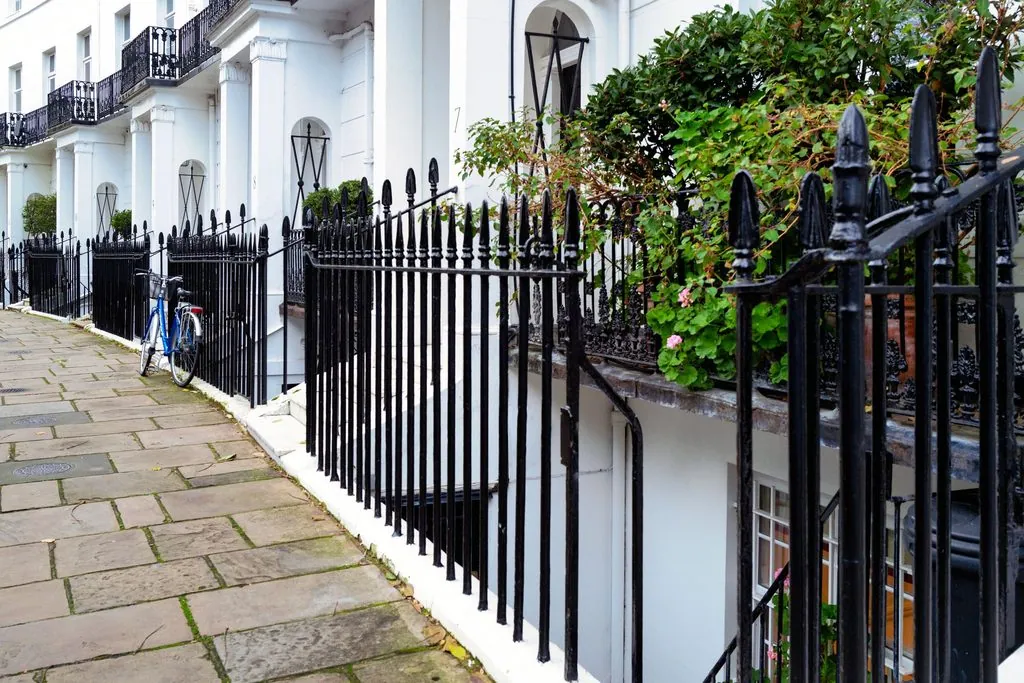
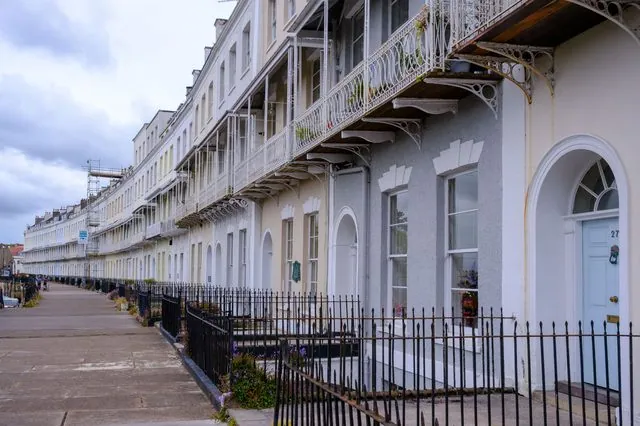
Period houses
When you need permission
Converting an existing basement. Works that affect only the interior of a building, or don't materially change how it looks, are exempted development under section 4(1)(h) of the Planning and Development Act 2000. Waterproofing, insulating and fitting out an existing basement inside the house usually falls under that.
Digging a new basement, or extending one. Treat it as needing permission. It adds floor area below ground, affects the structure and can affect the neighbours. Councils look at flood risk, drainage, light and the effect on the houses beside you.
New light wells and windows. A new opening at the front changes how the house looks, so it can take away the exemption. At the back it's less likely to.
Protected structures. On a protected structure even interior works can need permission. Ask the council for a section 57 declaration on what you can do.
Not sure? Ask the council for a section 5 declaration: it decides whether a piece of work is development and whether it's exempt.
Dublin City Council's basement rules
Dublin City Council's development plan has its own basement policy:
- No basements used as homes below the flood level in Flood Zones A and B.
- A basement shouldn't generally take up more than 50% of the garden.
- In conservation areas and beside protected structures, deep basements are discouraged.
- The water table, underground streams and sewers have to be considered, and sustainable drainage is recommended.
- A means of escape to ground level, enough daylight (the council can ask for a daylight analysis) and natural ventilation where possible.
Other councils have their own development plans. The company you're matched with knows the local ones.
After planning: building control
Planning and the Building Regulations are separate. Every basement conversion has to meet the Building Regulations, permission or not. Where the work needs planning permission, a Commencement Notice goes to the council's building control section before work starts. See the Building Regulations.
Get a price in 4 taps
Tap what you need and leave your number. It goes to one basement company that covers your county. They ring you back to arrange a look and a written price.
Related guides
Basement conversion and waterproofing guides & price breakdowns
Straight answers to what people ask most: itemised costs, specifications, planning or grants, and what to check before you book.
More guides & resources: All guides & calculator hub · Technical & trade glossary · Frequently asked questions · All areas covered · About this site
Questions we get asked
Do I need planning permission to convert my basement?
Usually not, if it's an existing basement and the work is inside the house. A new front opening or a protected structure changes that.
Do I need planning permission to dig a basement?
Usually yes, for a new basement. Ask the council, or apply for a section 5 declaration.
What is a section 5 declaration?
A written decision from the council on whether a piece of work needs planning permission.
Can a basement be a separate flat?
Not without planning permission. Turning part of a house into a separate home is a change of use.
Basement conversion and waterproofing across all 26 counties
Requests from all 26 counties go to one vetted local specialist who covers your county — from Dublin, Cork, Galway and Limerick to Kildare, Meath, Wicklow, Waterford and Donegal. Pick your county below for local prices, specifications and advice. Compare all areas covered →
Get a free quote for your basement
One company that covers your county rings you. Nothing is agreed until you accept a written price.